War Department Whittles Down Number of 'Religions' It Recognizes

The War Department reduced the number of religions it formally recognizes from 211 down to 31, condensing some of the list and entirely removing other options.
Military.com reported on June 4 that a memorandum released last month made the adjustments, which were the first amendments to the officially recognized religions list since 2017.
The change was made to “streamline the DoW collection of religious preferences collection for service members to enhance the delivery of targeted religious support from the Chaplaincy.”
Anthony Tata, under secretary of defense for personnel and readiness of the United States, signed the memo.
The US Military just made a bunch of changes to their list of Faith Codes.
The gist is that the old list used to include every single type of Baptist in a separate entry. Now, they are all under a single umbrella, “Christian – Baptist”
Another interesting choice is that LDS… pic.twitter.com/ULRdjMnSbq
— Ryan Burge 📊 (@ryanburge) June 6, 2026
“The new list will provide chaplains with clear, readily available information that will better enable them to anticipate the religious support needs of service members and to provide religious support activities that align with service members’ personal faith and practices,” Tata wrote.
The new list removed designations such as Atheists, Asatru, Deists, Druids, Eckankar, Heathens, Humanists, Magick, New Age, Pagan, Rosicrucianism, Shaman, Spiritualists, Troth, Unitarian Universalists, and Wiccans.
The new list includes nearly two dozen branches of Christianity — ranging from Roman Catholic and Orthodox to Baptist and Presbyterian — as well as Agnostic, Baha’i, Buddhism, Mormonism, Hindu, Islam, Judaism, and Sikh.
No Religion and Other Religions are also options on the list.
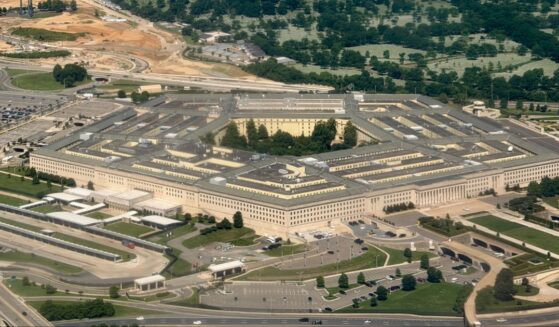
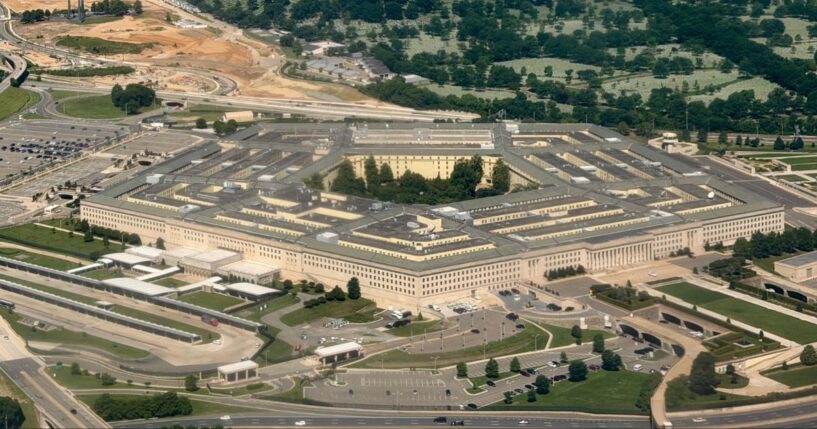
Military.com noted that the move comes as War Secretary Pete Hegseth leads the Pentagon toward an embrace of the Christian heritage that has long shaped the American military.
Hegseth announced an effort in March to reform the Chaplain Corps, which included amending the list of recognized religions.
We are going to make the Chaplain Corps great again. pic.twitter.com/xbKZBdbiSR
— Secretary of War Pete Hegseth (@SecWar) December 17, 2025
“The previous system had ballooned to well over 200 faith codes… It was impractical and unusable, and many codes were never used at all,” Hegseth said.
The vast majority of service members only used six of the codes, meaning that reducing the size of the list also made practical sense.
“This brings the codes in line with its original purpose, giving chaplains clear, usable information so they can minister to service members in a way that aligns with that service member’s faith background and religious practice,” Hegseth continued.
Advertise with The Western Journal and reach millions of highly engaged readers, while supporting our work. Advertise Today.
Truth and Accuracy
We are committed to truth and accuracy in all of our journalism. Read our editorial standards.