Oil Prices Rise as Iran Strikes Multiple Tankers in Defiance of Trump

Iran is escalating its war on the world by attacking multiple oil tankers, sending oil prices skyrocketing.
Iran’s actions came despite a Truth Social warning from President Donald Trump on Tuesday that, “If Iran does anything that stops the flow of Oil within the Strait of Hormuz, they will be hit by the United States of America TWENTY TIMES HARDER than they have been hit thus far.”
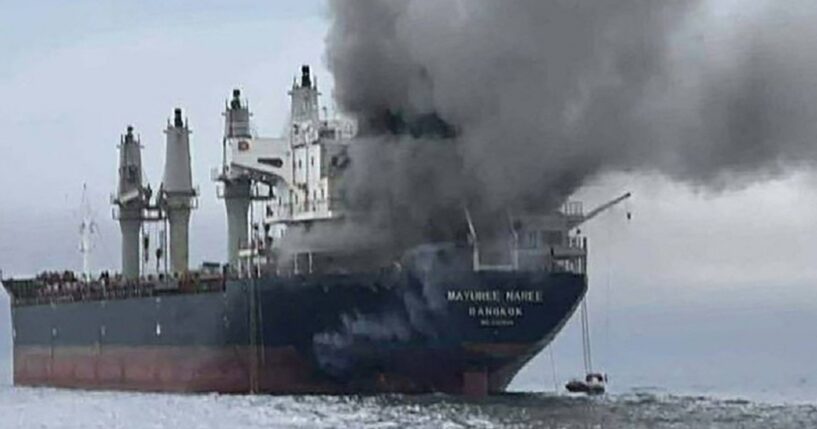
In the early hours of Thursday, three oil tankers were set ablaze, according to CNBC, following three ships attacked on Wednesday.
BREAKING:
Iran just struck a large oil tanker in Iraqi territorial waters.
The vessel has been engulfed in flames pic.twitter.com/Tvg3lnkmNV
— Visegrád 24 (@visegrad24) March 11, 2026
An Iranian military spokesman gloated about the damage the country is causing.
“Get ready for oil to be $200 a barrel, because the oil price depends on regional security, which you have destabilized,” Ebrahim Zolfaqari, a representative of Iran’s military command, said Wednesday, according to Reuters.
The International Energy Agency said the conflict between the U.S. and Israel and Iran is producing “largest supply disruption in the history of the global oil market,” according to CNN.
The Iranian actions have essentially halted transport through the crucial waterway, with the flow of energy products through the Strait of Hormuz now “a trickle,” the IEA said.
Attacks on shipping have led Iraq to close its ports that normally export oil.
The IEA has announced plans to release 400 million barrels of oil from an emergency reserve, according to CBS News. The agency called the move a “stop-gap measure,” according to NBC.
Energy Secretary Energy Secretary Chris Wright said that the U.S. would tap about 40 percent of its holdings in the Strategic Petroleum Reserve.
BOLDUAN: Iran just said the world should be ready for oil at $200 a barrel. Do you agree people need to be prepared for that?
CHRIS WRIGHT: We’re going through short-term energy disruption for long-term gain
BOLDUAN: Could that mean $200 a barrel?
WRIGHT: Um. I would say… pic.twitter.com/OarKEPUjww
— Aaron Rupar (@atrupar) March 12, 2026
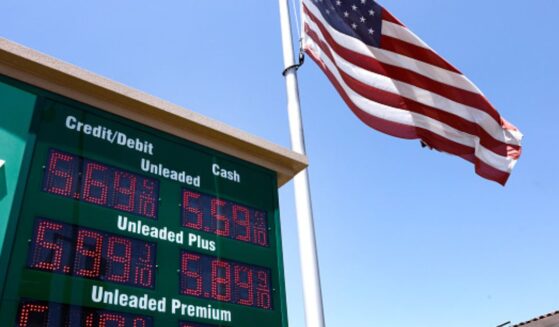
As of 8:30 Eastern Daylight Time on Thursday, oil was selling at $92.10 a barrel.
On Feb. 27, a day before the U.S.-Israeli attacks began, it was $67.02 a barrel, according to the Odessa (Texas) American.
Wright said a proposal to have American warships escort tankers through the Strait of Hormuz and the Persian Gulf will depend on the course of military combat activities, according to CNBC.
“It’ll happen relatively soon but it can’t happen now,” Wright said.
“We’re simply not ready. All of our military assets right now are focused on destroying Iran’s offensive capabilities and the manufacturing industry that supplies their offensive capabilities,” he said.
Wright said the Navy will likely be able to supply escorts by the end of the month.
Advertise with The Western Journal and reach millions of highly engaged readers, while supporting our work. Advertise Today.
Truth and Accuracy
We are committed to truth and accuracy in all of our journalism. Read our editorial standards.