Trump Announces 'The Great Healthcare Plan,' Lays Out Provisions 'Nobody's Ever Heard Of'

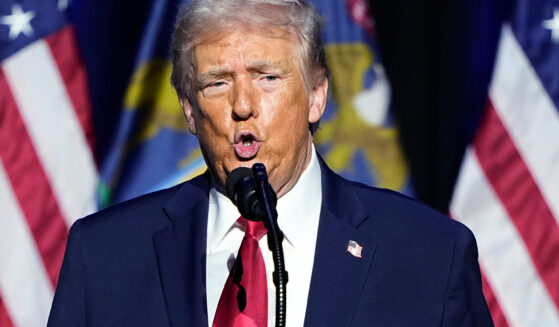
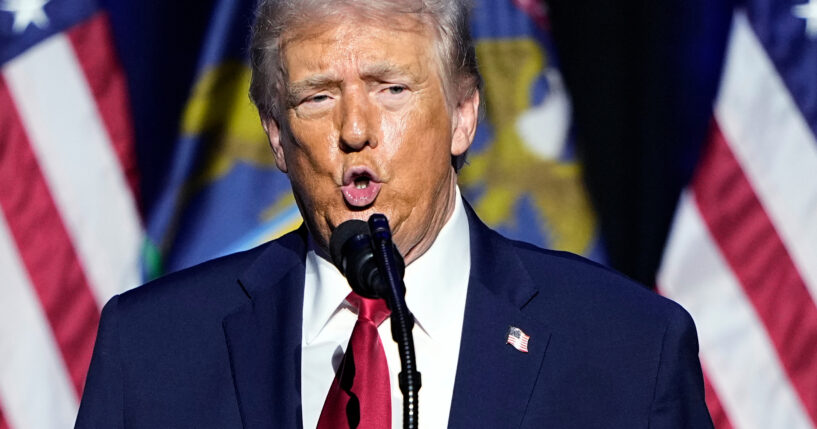
President Donald Trump on Thursday announced the outlines of a health care plan he wants Congress to take up as Republicans have faced increasing pressure to address rising health costs and a jump in insurance premiums after lawmakers let subsidies expire.
The White House said Trump’s plan would codify his efforts to lower drug prices by tying prices to the lowest price paid by other countries.
The cornerstone is his proposal to send money directly to Americans for health savings accounts so they can bypass the federal government and handle insurance on their own.
Democrats have rejected the idea as a paltry substitute for covering the high costs of health care.
“The government is going to pay the money directly to you,” Trump said in a taped video the White House released to announce the plan.
“It goes to you, and then you take the money and buy your own health care. Nobody’s ever heard of that before.”
THE GREAT HEALTHCARE PLAN.
President Donald J. Trump unveils the Great Healthcare Plan to lower costs and deliver money directly to the American people. 🇺🇸 pic.twitter.com/VWtNZzNbQC
— The White House (@WhiteHouse) January 15, 2026
It was not immediately clear whether any lawmakers in Congress were working to introduce the Republican president’s plan.
The idea mirrors one floated among Republican senators last year. Democrats have largely rejected this idea, saying the accounts would not be enough to cover costs for most consumers.
Enhanced tax credits that helped reduce the cost of insurance for the vast majority of Affordable Care Act enrollees expired at the end of 2025, even though Democrats had forced a 43-day government shutdown over the issue.
Sen. Bernie Moreno, a Republican from Ohio, has been leading a bipartisan group of 12 senators trying to devise a compromise that would extend those subsidies for two years, while adding new limits on who can receive them.
That proposal would create the option, in the second year, of a health savings account that Trump and Republicans prefer.
Trump said his plan will seek to bring down premiums by fully funding cost-sharing reductions, or CSRs, a type of financial help that insurers give to low-income “Obamacare” enrollees on silver-level, or mid-tier plans.
From 2014 until 2017, the federal government reimbursed insurance companies for CSRs.
In 2017, the first Trump administration stopped making those payments. To make up for the lost money, insurance companies raised premiums for silver-level plans.
That ended up increasing the financial assistance many enrollees got to help them pay for premiums.
As a result, health analysts say that while restoring money for CSRs would likely bring down silver-level premiums, as Trump says, it could have the unwelcome ripple effect of increasing many people’s net premiums on bronze and gold plans.
The Western Journal has reviewed this Associated Press story and may have altered it prior to publication to ensure that it meets our editorial standards.
Truth and Accuracy
We are committed to truth and accuracy in all of our journalism. Read our editorial standards.
Advertise with The Western Journal and reach millions of highly engaged readers, while supporting our work. Advertise Today.